
Understanding the psychology behind player decisions in casinos
The Allure of Chance and Luck
The psychology of gambling is heavily influenced by the allure of chance and luck. Players are often drawn to casinos due to the thrill of uncertainty. The unpredictability of games like slot machines and roulette creates an exhilarating atmosphere that can be hard to resist. Many players find themselves captivated by the idea that they might strike it rich, fostering a desire to engage repeatedly with these games. With such enticing opportunities, platforms like playid have emerged to optimize the gaming experience.

This fascination with luck is often rooted in cognitive biases, such as the illusion of control, where individuals believe they can influence the outcomes of games governed by chance. For example, a player may think that their betting strategy will enhance their odds, even in games like blackjack, where luck predominates. Such beliefs can lead to increased participation, with players feeling empowered to challenge the house edge.
The Role of Emotional Responses
Emotions play a crucial role in decision-making processes within casinos. Players often experience a rollercoaster of feelings, from anticipation and excitement to disappointment and frustration. These emotional highs and lows can significantly influence subsequent gambling behavior. For instance, a big win can lead to euphoria, prompting players to increase their bets, while losses may drive them to chase their losses, hoping to regain what they lost.
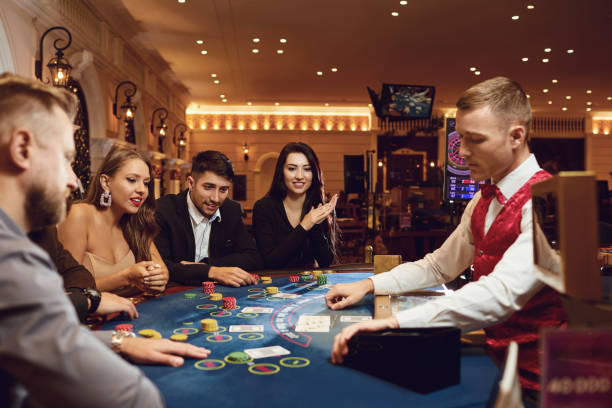
Additionally, the environment within casinos is deliberately designed to evoke specific emotional responses. Bright lights, engaging sounds, and enticing visuals create a stimulating ambiance that can heighten feelings of excitement. This design not only attracts players but also keeps them engaged, often leading them to make impulsive decisions based on the emotional state created by their surroundings.
Research indicates that mood and emotional states can directly impact gambling behavior. A player feeling anxious or stressed may seek solace in gambling, using it as a coping mechanism to escape from reality. This can result in potentially harmful gambling patterns, where players fail to recognize their declining financial status while in the throes of heightened emotions.
The Impact of Cognitive Biases
Cognitive biases significantly shape how players interpret their experiences in casinos. One common bias is the gambler’s fallacy, where players believe that past outcomes will influence future results. For example, if a player witnesses a series of losses at the roulette table, they may mistakenly think that a win is “due,” prompting them to bet more aggressively in hopes of reversing their luck.
Another notable cognitive bias is confirmation bias, where individuals focus on information that validates their beliefs while ignoring contrary evidence. A player who views themselves as a lucky gambler may dismiss losing streaks as anomalies, reinforcing their commitment to gambling. This mindset can encourage continued play, often resulting in increased financial loss as they chase favorable outcomes.
Furthermore, players might also fall victim to the availability heuristic, where they overestimate the likelihood of events based on how easily examples come to mind. For instance, stories of jackpot winners can overshadow the reality of the vast majority of players who lose. This creates a false narrative that winning is more common than it actually is, further fueling gambling behavior.
The Influence of Rewards and Incentives
Rewards and incentives significantly influence player decisions in casinos. Many establishments implement loyalty programs that offer bonuses, free plays, and other perks to encourage regular patronage. These rewards create a sense of value and can lead players to make choices based on potential future benefits rather than the immediate outcomes of their gaming sessions.
The anticipation of rewards can also trigger the brain’s reward system, releasing dopamine and creating feelings of pleasure. This neurological response reinforces gambling behavior, making players more likely to return to the casino in pursuit of those rewarding experiences. As a result, even when faced with losses, the prospect of winning future rewards keeps players engaged.
Additionally, the phenomenon of near-misses—when players come close to winning—can act as a powerful motivator. Casinos strategically position these near-miss situations to create the illusion of almost winning, encouraging players to continue betting in hopes of hitting the jackpot. This can lead to a cycle where players remain trapped in a cycle of hope and disappointment, further influencing their gambling choices.
PlayID: Streamlining the Gambling Experience
As the online gambling landscape continues to evolve, platforms like playid are making strides in enhancing user experience. By providing a seamless and secure solution for managing online casino accounts and transactions, playid serves as an essential tool for players navigating the complexities of online gambling. The platform allows users to streamline their gaming experience by consolidating their identities and funds into a single, user-friendly application.
Playid not only offers rapid access to multiple partner casinos but also ensures fast payouts, enhancing the overall efficiency of online gambling. This convenience is particularly appealing to players who prioritize quick transactions and a straightforward gaming experience. Furthermore, the unique Vault option, where users can earn interest on idle funds, adds an innovative layer to managing bankrolls, allowing players to maximize their financial resources.
In addition to these features, playid also caters to newcomers with exclusive bonuses and promotions, enticing them to explore various games and casinos. By offering such incentives, the platform positions itself as an attractive solution for both seasoned gamblers and novices alike, ultimately enriching the online gambling experience.
“`
